Rodent Control in Bulawayo
Rats and mice in your property are more than a nuisance. They chew through electrical wiring, contaminate food stores, and carry diseases. Our rodent control service combines trapping, baiting, and exclusion work to remove the current infestation and prevent future entry. We do not just kill the rodents you have. We find out how they are getting in and seal those points so they stay out.
Book Your Free Rodent Control Inspection
Tell us about your problem and we will arrange a visit at no charge.
What Are Rodents?
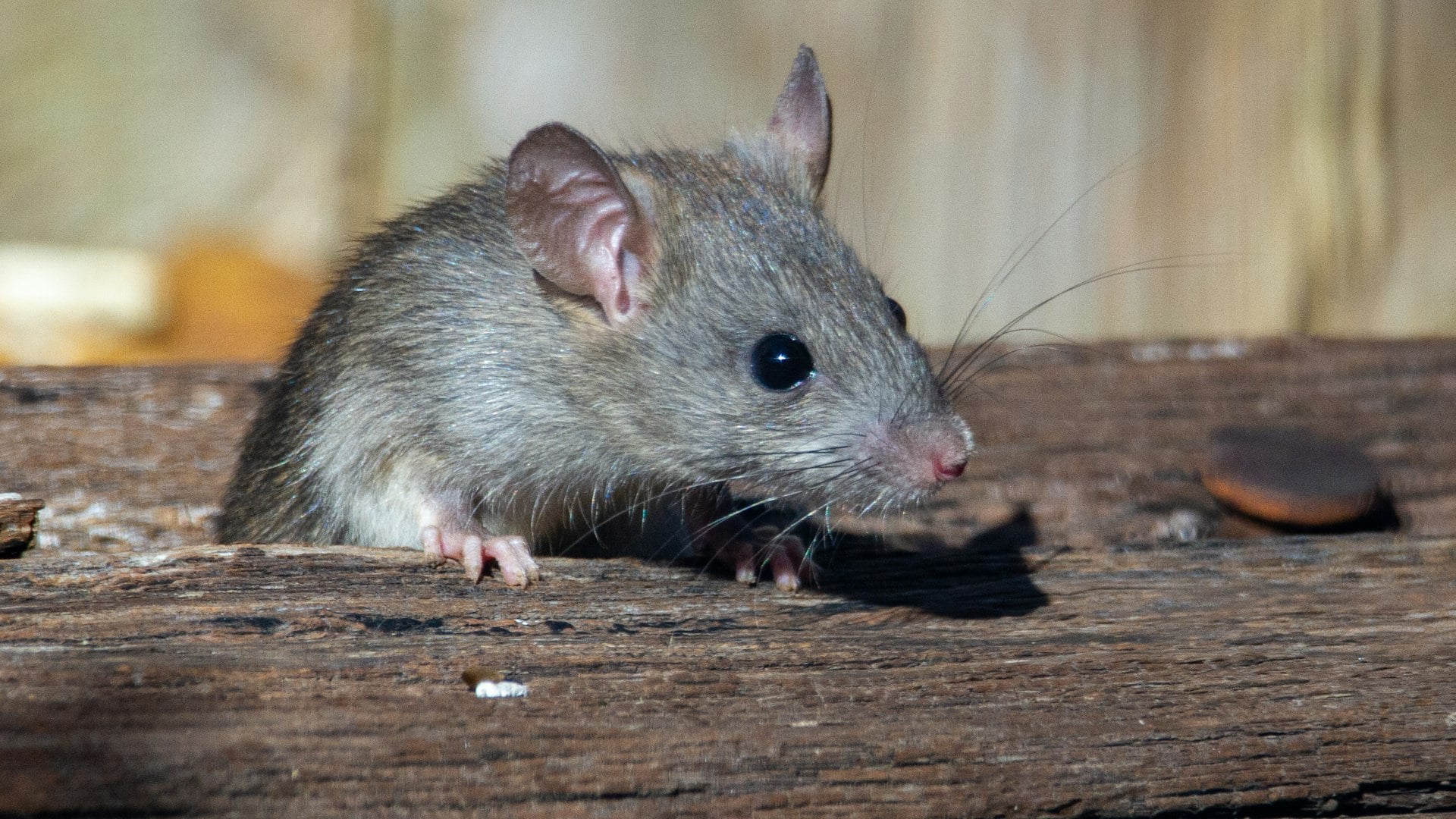
Rodents are warm-blooded mammals that seek shelter, food, and water inside human structures. In Bulawayo, the most common species are the roof rat (also called the black rat), the Norway rat (brown rat), and the house mouse. Roof rats are agile climbers that typically enter through gaps in roof eaves, broken tiles, and uncapped downpipes. They nest in ceiling voids and roof spaces. Norway rats are larger and heavier, preferring ground-level entry through gaps under doors, broken air bricks, and around plumbing penetrations. They nest under floors, in wall cavities, and in garden burrows. House mice are smaller and can squeeze through gaps as small as 6mm. They nest inside furniture, in stored goods, and behind kitchen appliances. All three species breed rapidly. A single pair of mice can produce up to 60 offspring in a year, and those offspring start breeding within weeks. Rodents chew constantly to keep their teeth worn down, and they will gnaw through timber, plastic pipe, insulation, and electrical cable. Electrical damage from rodent gnawing is a known fire hazard.
Signs You Need Rodent Control
- Scratching or scurrying noises in the ceiling, walls, or under the floor, especially at night
- Rodent droppings along wall edges, in cupboards, in drawers, or near food stores
- Gnaw marks on food packaging, timber, cables, or plastic containers
- A strong, ammonia-like smell in enclosed spaces where rodents are nesting
- Grease marks or rub marks along walls and surfaces where rodents travel repeatedly
- Nesting material such as shredded paper, fabric, or insulation in hidden areas
- Actual sightings of rats or mice, alive or dead
Our Treatment Process
Step 1: Inspection and Entry Point Survey
We inspect the entire property to determine the rodent species, assess activity levels, and map all entry points. We check the roof space, under floors, around plumbing, at air bricks, along the perimeter, and at any point where services enter the building. This survey is critical because it tells us not only where the rodents are, but how they are getting in.
Step 2: Trapping and Baiting
We place tamper-resistant bait stations and snap traps in areas of confirmed rodent activity. Bait stations are secured and locked to prevent access by children, pets, and non-target wildlife. Snap traps are placed in roof spaces, under floors, and in other concealed areas. The combination of baiting and trapping ensures rapid population reduction.
Step 3: Exclusion and Proofing
This is the most important step. We seal the entry points identified during the inspection using steel wool, metal flashing, cement, expanding foam, and mesh. Without exclusion work, new rodents will simply replace the ones we have removed. We also advise on sanitation measures to remove food and water sources that attract rodents in the first place.
Safety and Products
Bait stations are tamper-resistant and secured in place, so children and pets cannot access the bait. We use second-generation rodenticides that are effective at low doses, reducing the risk of secondary poisoning. Snap traps are placed in concealed areas away from household activity. We brief you on the location of all devices and any precautions you should take.
Pricing
Inspections are free. Treatment costs depend on the size of your property, the extent of the infestation, and the amount of exclusion work needed. A straightforward baiting and trapping program for a three-bedroom house costs less than a large commercial property requiring extensive proofing. We provide a clear, itemised quote after the inspection.
Our Guarantee
We guarantee our rodent control service. If rodent activity returns within the guarantee period, we return and retreat at no extra cost. For the best long-term results, we recommend combining treatment with exclusion work and regular maintenance checks.
Rodent Problems in Bulawayo
Rodent activity in Bulawayo peaks during the cooler months when rats and mice move indoors for warmth and food. But in truth, rodent problems happen year-round. Bulawayo's older suburbs, with their established gardens and aging roof structures, are particularly susceptible. Newer developments on the outskirts see surges in rodent activity when surrounding bush is cleared for construction, displacing rodents into nearby homes.
The health risks from rodents are real. They contaminate food with their droppings and urine, and they carry diseases including leptospirosis and hantavirus. Their habit of chewing through electrical wiring creates a genuine fire risk. If you hear scratching in your ceiling or find droppings in your cupboards, do not wait. The sooner the infestation is addressed, the easier and cheaper it is to resolve.
Service Area
We provide rodent control services across all Bulawayo suburbs, including Burnside, Ascot, Hillside, Cowdray Park, Bellevue, Suburbs, Matsheumhlope, Emakhandeni, and all surrounding areas. Our technicians are based locally, so we can respond quickly no matter where you are in the city.
Rodent Control FAQ
How do rats get into my ceiling?
Roof rats are excellent climbers. They access your ceiling through gaps in roof eaves, broken or displaced tiles, uncapped downpipes, overhanging tree branches, and along electrical or telephone cables that enter the building at roof level. A gap of just 15mm is enough for a rat to squeeze through.
Can I just use poison from the hardware store?
Over-the-counter rodent poisons will kill some rodents, but they do not solve the underlying problem. Without identifying and sealing entry points, new rodents will replace the ones you have poisoned. There is also a risk of rodents dying in inaccessible locations, creating a severe smell. Professional treatment combines baiting with exclusion work for a lasting solution.
How long does rodent treatment take?
The initial visit, including inspection, baiting, trapping, and exclusion work, typically takes two to four hours depending on the property size. Follow-up visits to check traps and bait stations take about 30 minutes each. Full population control usually takes two to four weeks.
Will the rats smell if they die in the ceiling?
This can happen with poison alone, which is one reason we use a combination of trapping and baiting. Traps allow us to remove dead rodents promptly. Baiting in external stations draws rodents away from the building before they succumb. If a rodent does die in an inaccessible location, the smell typically lasts one to three weeks.
How can I stop rodents from coming back?
Seal all entry points using durable materials like steel wool and metal flashing. Trim tree branches that overhang or touch the roof. Store food in sealed containers and clean up spills promptly. Fix leaking taps and pipes, since rodents need a water source. Remove clutter and garden debris that provides harbourage. Schedule annual inspections to catch new activity early.
Ready to Solve Your Rodent Problem?
Book your free inspection today. We will identify the problem, give you a clear quote, and get to work.
Request My Free Inspection