Mosquito Control in Bulawayo
Mosquitoes are more than an annoyance in Bulawayo. They carry malaria, which remains a health concern across Zimbabwe. Our mosquito control service reduces the mosquito population around your property using a combination of larvicide treatments for breeding sites and residual sprays for adult mosquito resting areas. We treat gardens, outdoor living spaces, pool surrounds, and indoor areas.
Book Your Free Mosquito Control Inspection
Tell us about your problem and we will arrange a visit at no charge.
What Are Mosquitos?
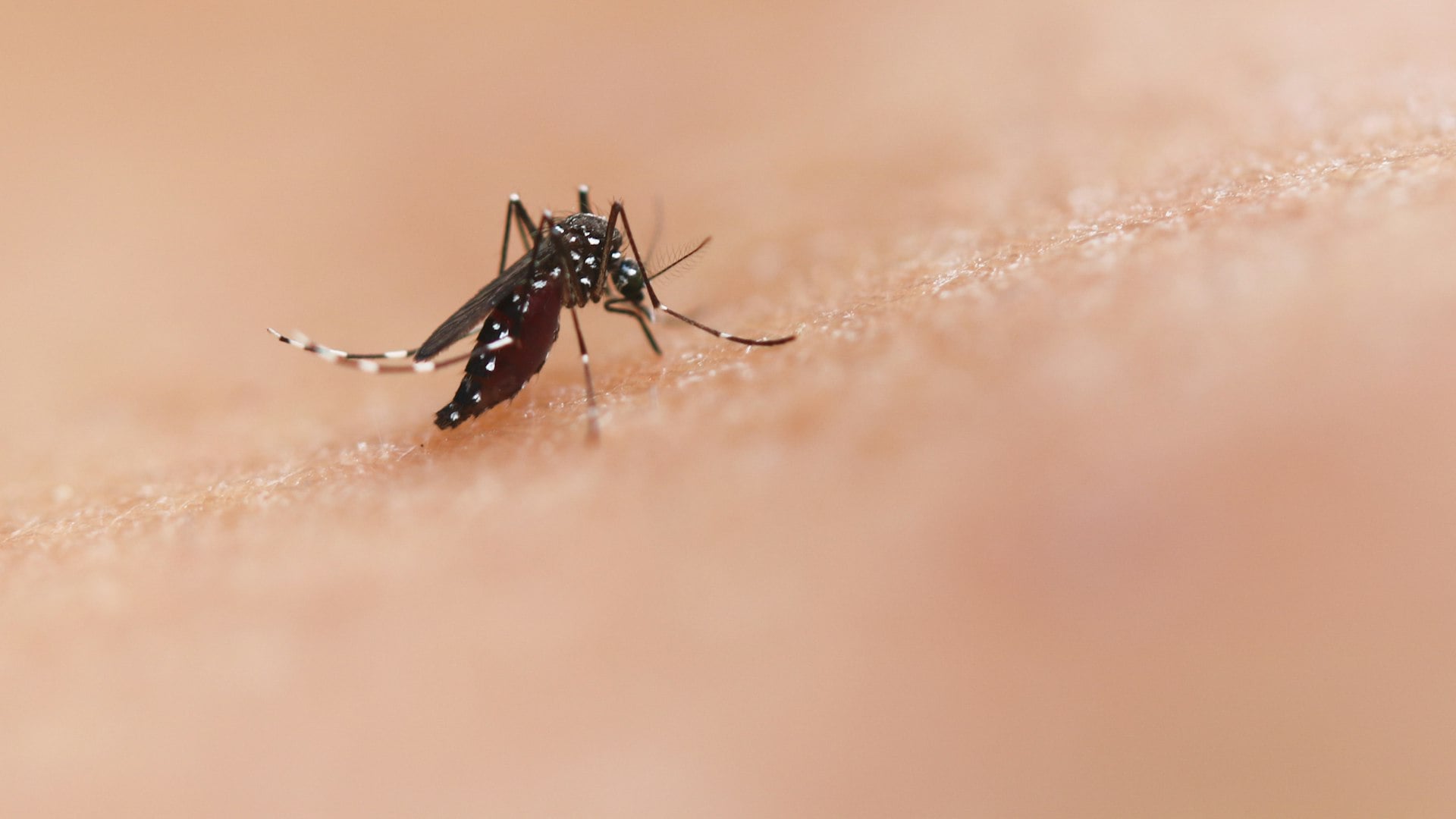
Mosquitoes are blood-feeding insects that breed in standing water. The female mosquito needs a blood meal to develop her eggs, and she can lay 100 to 300 eggs at a time on the surface of standing water. The larvae develop in water over seven to fourteen days before emerging as flying adults. In Bulawayo, mosquito populations surge during and after the rainy season (November to March) when standing water is plentiful. But mosquitoes can breed year-round in permanent water sources like blocked gutters, pet water bowls, flower pot saucers, unused pools, and even small puddles that persist in shaded areas. The most dangerous mosquito species in Zimbabwe is Anopheles, which transmits the Plasmodium parasite that causes malaria. Even outside malaria transmission areas, mosquito bites are a significant quality-of-life issue, particularly for properties with outdoor entertaining areas, gardens, and swimming pools.
Signs You Need Mosquito Control
- Frequent mosquito bites when sitting outdoors, especially at dawn and dusk
- Visible mosquitoes resting on walls, ceilings, or under furniture indoors
- Mosquito larvae (small wriggling organisms) in standing water around your property
- Blocked gutters, stagnant ponds, or unused containers holding water on the property
- Buzzing sounds at night that disrupt sleep
- Seasonal surge in mosquito numbers during and after the rainy season
Our Treatment Process
Step 1: Site Survey and Breeding Site Identification
We walk the entire property to identify mosquito breeding sites: blocked gutters, standing water in containers, garden features, drains, and any other water sources. We also identify adult mosquito resting areas such as dense vegetation, underside of outdoor furniture, and shaded walls.
Step 2: Larvicide and Adult Treatment
We apply larvicide to identified breeding sites to kill mosquito larvae before they become flying adults. For adult mosquitoes, we apply a residual spray to resting areas including garden vegetation, fence lines, the underside of eaves, outdoor structures, and indoor walls where mosquitoes rest during the day. The residual treatment continues to kill mosquitoes for several weeks after application.
Step 3: Prevention Advice and Follow-Up
We advise on eliminating breeding sites: clearing gutters, removing standing water, covering water storage containers, and maintaining pool chlorination. For ongoing protection, we recommend seasonal treatments before and during the rainy season, or monthly treatments for properties in high-mosquito areas.
Safety and Products
The products we use for mosquito control are approved for outdoor and indoor residential use. Larvicides are specific to mosquito larvae and have minimal impact on other organisms. Residual sprays are applied to surfaces and vegetation, not directly to water bodies used by fish or other aquatic life. We advise keeping children and pets away from treated surfaces until the spray has dried, typically one to two hours.
Pricing
Inspections are free. Mosquito treatment costs depend on the size of your property and the extent of breeding site elimination needed. A standard treatment for a residential property with a garden is affordable and straightforward. Properties with extensive grounds, pools, or water features may require more product and time. We provide a clear quote after the site survey.
Our Guarantee
We guarantee a significant reduction in mosquito activity after treatment. If you do not see improvement within a week, we will return and reassess at no additional charge. For the best results, we recommend eliminating breeding sites as we advise and scheduling repeat treatments during the rainy season.
Mosquitoes and Health in Bulawayo
Malaria remains a public health concern in Zimbabwe, and Bulawayo is not exempt. While the city's higher altitude and drier climate reduce mosquito pressure compared to the lowveld regions, the rainy season brings a significant increase in mosquito breeding activity. Standing water from blocked drains, construction sites, and garden features provides ideal breeding habitat.
Beyond malaria, mosquito bites affect quality of life. They disrupt sleep, limit the enjoyment of outdoor spaces, and cause itchy, uncomfortable reactions. For homes with young children, the elderly, or immunocompromised residents, reducing mosquito exposure is particularly important. Professional treatment, combined with breeding site elimination, is the most effective way to protect your household.
Service Area
We provide mosquito control services across all Bulawayo suburbs, including Burnside, Ascot, Hillside, Cowdray Park, Bellevue, Suburbs, Matsheumhlope, Emakhandeni, and all surrounding areas. Our technicians are based locally, so we can respond quickly no matter where you are in the city.
Mosquito Control FAQ
How often should I treat for mosquitoes?
For most Bulawayo properties, we recommend a treatment at the start of the rainy season (October or November), a second treatment in January or February when mosquito numbers peak, and a final treatment in March or April as the rains taper off. Properties in low-lying areas or near water may benefit from monthly treatments during the wet season.
Can mosquito treatment eliminate malaria risk?
Mosquito treatment significantly reduces the number of mosquitoes around your property, which reduces the risk of mosquito-borne diseases. However, it cannot eliminate the risk entirely because mosquitoes from untreated neighbouring properties can still enter your airspace. Treatment is one layer of protection alongside bed nets, repellents, and prophylactic medication in high-risk areas.
Is the treatment safe for my garden plants?
Yes. The products we use are safe for ornamental plants and lawns. We apply them to the underside of leaves and stems where mosquitoes rest, not to flowering parts that attract pollinators. We take care to avoid spraying vegetable gardens and edible plants directly.
Do mosquito treatments affect bees and butterflies?
We minimise impact on pollinators by spraying in the early morning or late afternoon when pollinators are less active, and by targeting mosquito resting sites (shaded areas, undersides of leaves) rather than flowering plants. The products we use have short residual activity on exposed surfaces compared to their effectiveness in sheltered resting sites.
What can I do to reduce mosquitoes without chemicals?
Eliminate standing water: empty pot saucers, clear blocked gutters, cover rain barrels, maintain pool chlorination, and fill in low spots that collect rainwater. Trim dense vegetation near the house. Use mosquito nets and screens on windows and doors. These measures complement professional treatment and reduce the overall mosquito population around your home.
Ready to Solve Your Mosquito Problem?
Book your free inspection today. We will identify the problem, give you a clear quote, and get to work.
Request My Free Inspection