Ant Control in Bulawayo
Ant infestations in Bulawayo homes range from annoying trails across kitchen counters to large-scale invasions that contaminate food stores and damage property. Over-the-counter sprays kill the ants you can see but do nothing to the colony, which can contain tens of thousands of individuals. Our ant control service uses professional-grade baits and residual treatments that eliminate the entire colony, including the queen.
Book Your Free Ant Control Inspection
Tell us about your problem and we will arrange a visit at no charge.
What Are Ants?
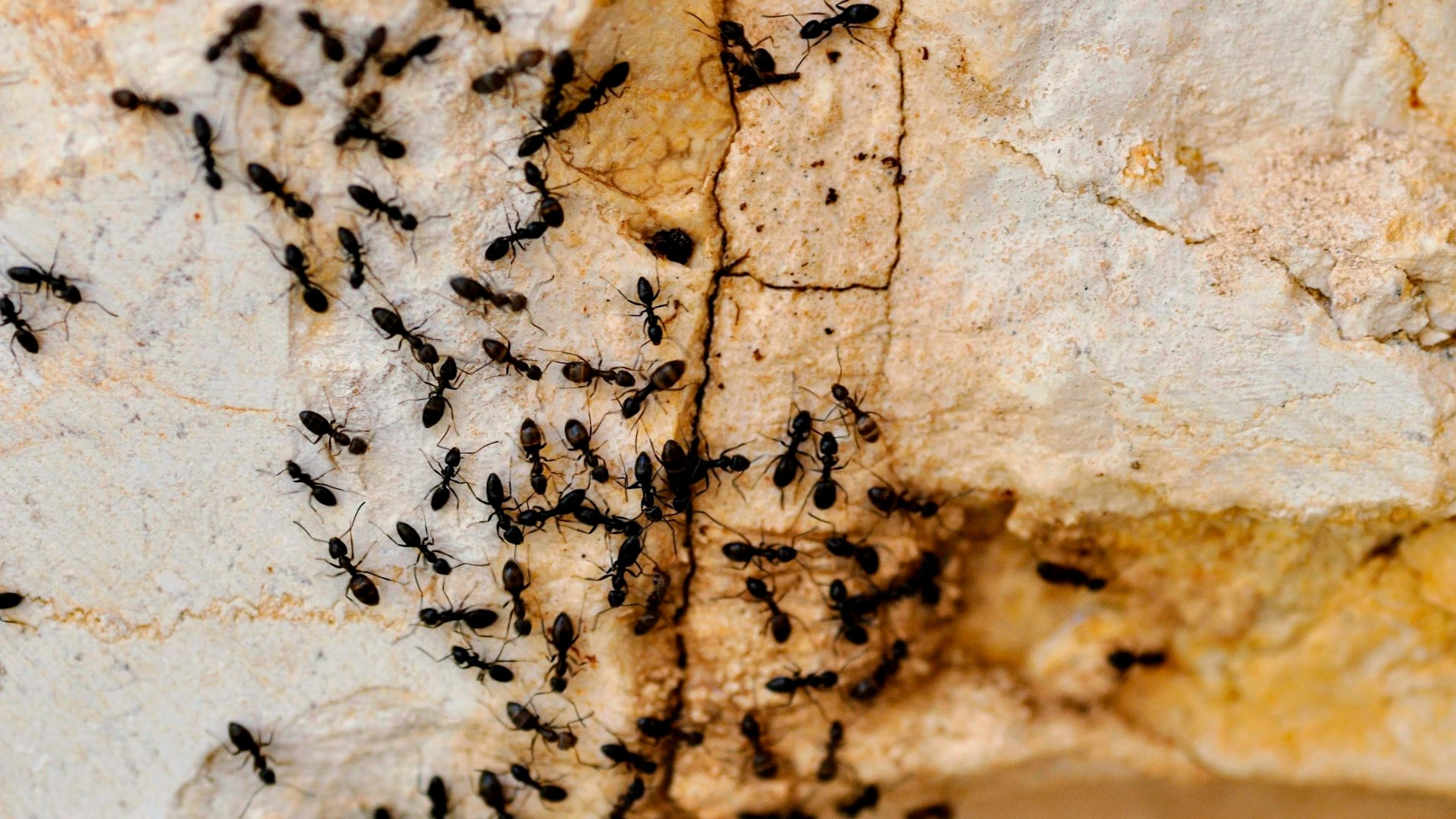
Ants are social insects that live in colonies ranging from a few hundred to hundreds of thousands of individuals. In Bulawayo, the most common species include sugar ants (small, attracted to sweet foods), pugnacious ants (aggressive, painful sting), harvester ants (large mounds in gardens, collect seeds and plant material), and Argentine ants (form super-colonies, difficult to control). Ants enter homes through tiny cracks and gaps, following chemical trails laid by scout ants that have found a food or water source. Once a trail is established, worker ants follow it in large numbers. Spraying the visible ants and wiping the trail disrupts activity temporarily, but the colony simply sends out new scouts and establishes new trails. The only way to permanently eliminate an ant problem is to kill the queen, and that requires a bait that worker ants carry back to the nest.
Signs You Need Ant Control
- Visible ant trails along walls, countertops, window sills, or floor edges
- Ants clustered around food sources, pet bowls, or spilled liquids
- Ant nests visible as small mounds of soil in garden beds, along paths, or in cracks in paving
- Winged ants (swarmers) emerging from a nest, indicating the colony is mature and producing new queens
- Ants inside electrical outlets, light fittings, or behind appliances
- Damage to wooden structures by carpenter ants (less common in Bulawayo but present)
Our Treatment Process
Step 1: Inspection and Species Identification
We inspect your property to identify the ant species, locate the colony (or colonies), and determine entry points. Different ant species respond to different treatments, so correct identification is essential. We check indoors along trails, in cupboards, behind appliances, and outdoors around the foundation, garden beds, and paving.
Step 2: Baiting and Residual Treatment
We place professional-grade ant bait stations along identified trails and near entry points. The bait is formulated to attract the specific ant species present. Worker ants carry the bait back to the colony, where it is shared with other workers, larvae, and the queen. This process eliminates the entire colony over one to three weeks. We also apply a residual barrier spray around the perimeter of the building and at entry points to prevent re-entry from outdoor colonies.
Step 3: Follow-Up and Prevention
We check bait stations and treatment effectiveness two to three weeks after the initial treatment. If any colony activity persists, we reapply. We also advise on sealing entry points, eliminating food and water sources, and managing garden conditions that harbour ant colonies.
Safety and Products
Ant bait stations are enclosed and placed in locations away from direct contact with children and pets. The active ingredient in professional ant baits is effective at very low concentrations that are specifically targeted at ant biology. The perimeter spray is applied to exterior surfaces and dries to an odourless film. Standard precautions apply: keep children and pets away from treated surfaces until dry.
Pricing
Inspections are free. Ant treatment costs depend on the property size, the number of ant colonies present, and whether the problem is primarily indoors, outdoors, or both. A standard treatment for a residential property is affordable and straightforward. Contact us for a specific quote after your free inspection.
Our Guarantee
We guarantee our ant control treatment. If ant activity returns within the guarantee period, we retreat at no additional charge. For properties with persistent ant problems, especially those surrounded by gardens or open land, we recommend quarterly preventive treatments.
Ant Problems in Bulawayo
Ant activity in Bulawayo is highest during the warm, wet months when colonies are most active and food sources are abundant. However, many ant species remain active year-round, particularly indoors where temperature and humidity are consistent.
Properties with gardens, particularly those with fruit trees, compost heaps, or garden beds close to the house, tend to see more ant activity indoors because outdoor colonies have easy access to the building. Sealing cracks around the foundation, around doors and windows, and at plumbing penetrations is a simple step that significantly reduces indoor ant entry.
Service Area
We provide ant control services across all Bulawayo suburbs, including Burnside, Ascot, Hillside, Cowdray Park, Bellevue, Suburbs, Matsheumhlope, Emakhandeni, and all surrounding areas. Our technicians are based locally, so we can respond quickly no matter where you are in the city.
Ant Control FAQ
Why do ants keep coming back after I spray them?
Spraying kills the ants you can see, but it does not reach the colony. The queen continues to lay eggs, and the colony sends out new workers to replace the ones you killed. Within days, you see ant trails again. Professional bait treatment works differently. The bait is carried back to the colony and shared with the queen, which eliminates the source of the problem.
Are ant baits safe around food preparation areas?
Yes. The bait stations are enclosed, so the bait is not exposed to surfaces or food. We place them in concealed locations near ant trails, such as behind appliances, under sinks, and in the corners of cupboards. They are designed to be accessible to ants but not to children or pets.
How long does it take to get rid of ants?
The visible ant trails typically reduce within a few days as worker ants start carrying bait back to the colony. Full colony elimination takes one to three weeks, depending on the colony size. During this period, you may still see some ant activity as workers continue to forage and consume bait. This is actually a positive sign, as it means the bait is being distributed through the colony.
Can ants damage my house?
Most ant species in Bulawayo do not cause structural damage. The exception is carpenter ants, which excavate timber to create nesting galleries (they do not eat the wood like termites, but they hollow it out). Carpenter ants are less common in Bulawayo than termites, but if you notice piles of fine wood shavings near timber, book an inspection to confirm the species.
What attracts ants into my house?
Food and water. Even small crumbs, sticky residues on countertops, pet food left out, and dripping taps are enough to attract a colony of scout ants. Once they find a reliable food source, they lay a chemical trail that guides thousands of workers to the same spot. Keeping surfaces clean, storing food in sealed containers, and fixing leaks reduces the attractiveness of your home to ants.
Ready to Solve Your Ant Problem?
Book your free inspection today. We will identify the problem, give you a clear quote, and get to work.
Request My Free Inspection